
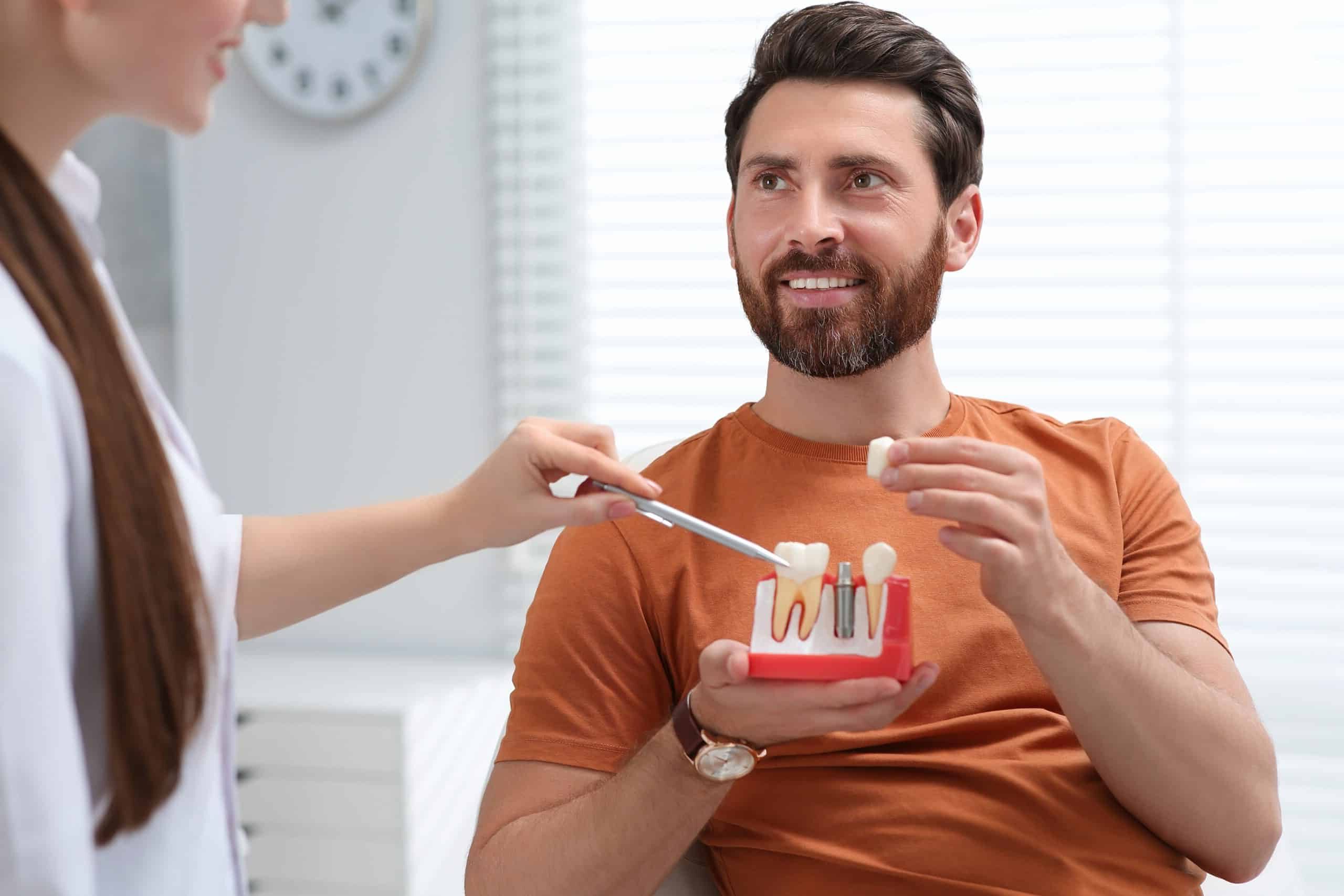
Choosing between dentures and implant supported dentures in North Fort Myers can feel overwhelming if you are replacing several missing teeth. Both treatments restore your smile, improve chewing, and support your confidence, but they work very differently. The right option depends on your oral health, bone support, budget, and lifestyle expectations.
At North Pointe Dental Center, Dr. David Pfent helps patients from North Fort Myers, Fort Myers, Cape Coral, and Lehigh Acres compare these options carefully so they can make an informed decision. Here is a clear breakdown of how each treatment works and who benefits most from each one.
How Traditional Dentures Work

Traditional dentures are removable appliances designed to replace missing teeth and surrounding tissue. Full dentures replace an entire arch, while partial dentures fill gaps when some natural teeth remain. They rest on the gums and are custom-shaped to fit your mouth.
Dentures are still a practical and effective solution for many patients. They can restore appearance quickly, improve speech, and make it easier to eat compared with having multiple missing teeth. They are also usually the lower upfront-cost option.
That said, dentures depend on the shape of the gums and jaw for support. Over time, the jawbone naturally shrinks after tooth loss. As that happens, dentures may loosen, rock, or require periodic relines and adjustments.
How Implant Supported Dentures Are Different
Implant supported dentures use dental implants placed in the jawbone to anchor the denture securely. Instead of relying only on suction or adhesive, the denture snaps or fastens onto implants for much stronger retention.
This added stability changes the day-to-day experience dramatically for many patients. Implant supported dentures typically feel more secure while speaking, laughing, and eating. They also reduce rubbing and slipping, which can make sore spots less common.
According to the American Academy of Implant Dentistry, implants also help preserve the jawbone because they stimulate the bone much like natural roots. That benefit is one of the biggest long-term differences between removable dentures and implant-based solutions.
Dentures vs Implant Supported Dentures: The Biggest Differences
Stability. Traditional dentures can move, especially on the lower arch. Implant supported dentures stay in place much more securely, which helps with confidence and function.
Chewing ability. Patients with implant supported dentures can usually handle a wider range of foods. Traditional dentures may require more caution with tough meats, crunchy foods, or sticky textures.
Bone preservation. Dentures do not stop bone shrinkage. Implants help slow that process by providing stimulation within the jaw.
Maintenance. Both options require cleaning, but implant supported dentures involve more precision around the attachment points. Traditional dentures need regular soaking, brushing, and fit checks.
Cost and treatment time. Traditional dentures are usually less expensive upfront and can often be completed faster. Implant supported dentures require surgery, healing time, and a larger investment, but many patients feel the comfort and stability are worth it.
Who Is a Good Candidate for Traditional Dentures?
Traditional dentures may be the best fit if you want a faster, more budget-conscious solution and prefer to avoid surgery. They can work well for patients who are not ideal implant candidates because of certain health conditions, limited bone volume, or personal preference.
They are also a reasonable choice when the goal is to restore basic function and appearance efficiently. Many patients do very well with dentures as long as they understand the adjustment period and commit to regular maintenance.
If you have never worn dentures before, our team walks you through what to expect. Learning how they feel, how to clean them, and how your bite adjusts over the first few weeks makes the transition much smoother.
Who Is a Better Candidate for Implant Supported Dentures?

Implant supported dentures are an excellent option for patients who want more stability, stronger bite performance, and a solution that feels closer to natural teeth. Many patients who are frustrated by lower denture movement or repeated adhesive use find that implants solve the problem they dislike most.
You may be a strong candidate if you have enough bone support or are willing to consider procedures that improve the implant foundation. Good general health, non-smoking status, and consistent home care also help improve long-term success.
Patients who are active socially or professionally often prefer the confidence implants provide. When you do not have to think about whether your denture might slip during conversation or meals, daily life simply feels easier.
What About Comfort, Speech, and Daily Life?
Comfort is one of the biggest quality-of-life differences between these options. Traditional dentures can work very well, but they may still create pressure points as your gums and jaw change. Implant supported dentures usually feel steadier and can reduce the amount of acrylic needed in the mouth, which some patients find more comfortable.
Speech often improves with both treatments compared with having many missing teeth. However, the extra stability of implants can make certain sounds easier to pronounce consistently. That matters for patients who speak in public, work with customers, or simply do not want to worry about movement while talking.
Eating is where many patients notice the largest difference. If your goal is to enjoy a broader diet with less frustration, implant supported dentures generally offer the stronger long-term advantage.
Frequently Asked Questions
Are implant supported dentures permanent?
The implants themselves are placed in the jaw permanently. The denture portion may be removable or fixed depending on the treatment design. During your consultation, we explain which approach matches your goals and oral health.
Do implant supported dentures hurt?
The implant procedure is done with anesthesia and is generally well tolerated. Some soreness is normal during healing, but most patients describe it as manageable. We provide detailed recovery instructions and monitor healing closely.
How long do dentures and implant supported dentures last?
Traditional dentures often need relines, repairs, or replacement over time as the jaw changes. Implant supported dentures still require maintenance, but the implants can last many years when properly cared for. The overdenture portion may eventually need replacement because of normal wear.
Can I switch from dentures to implant supported dentures later?
Yes, many patients start with dentures and later upgrade to implant supported dentures. That transition depends on bone support and your overall treatment plan, but it is a common pathway.
Schedule a Denture Consultation in North Fort Myers
If you are weighing dentures vs implant supported dentures in North Fort Myers, the best next step is a personalized consultation. Dr. David Pfent and the team at North Pointe Dental Center will evaluate your oral health, review your goals, and explain which option makes the most sense for your smile, comfort, and budget. Call (239) 997-9949 or contact us online to schedule your visit.
