
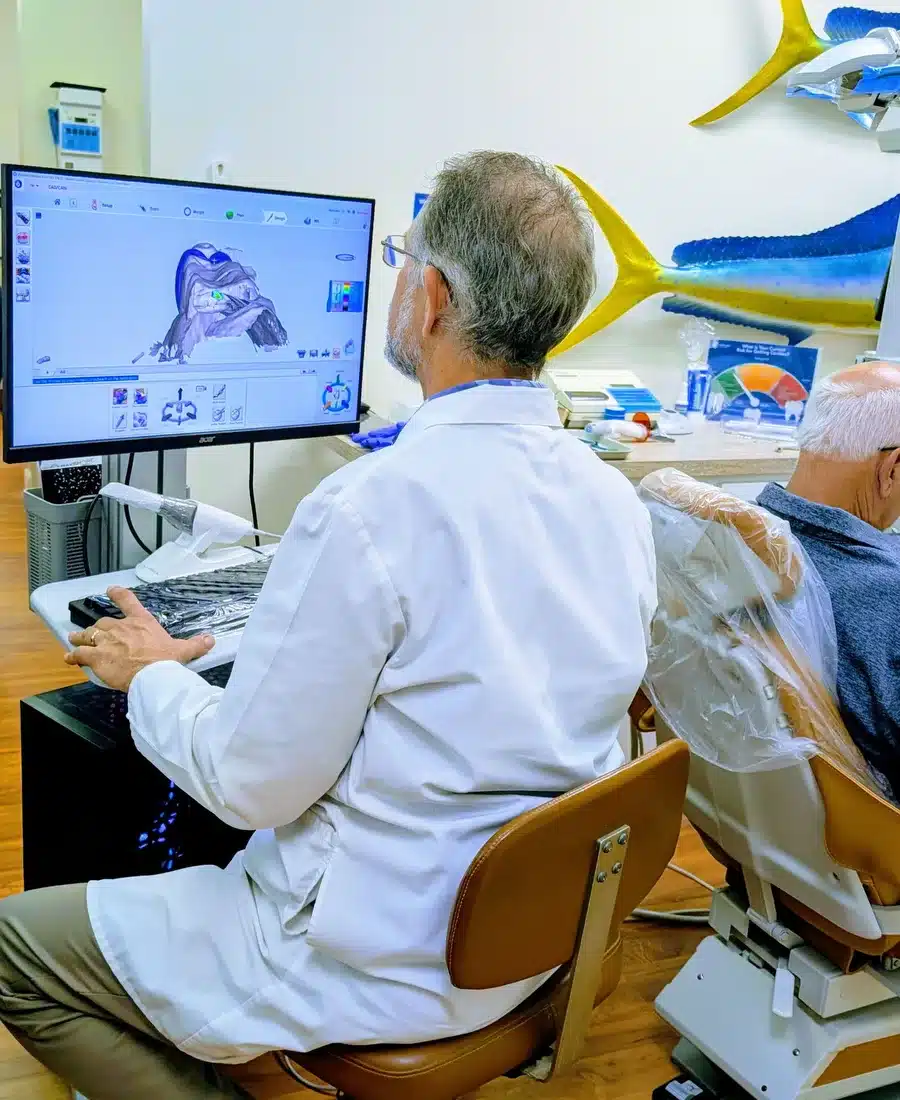
A routine dental cleaning is a preventive visit focused on removing plaque and tartar, checking the condition of your gums, and helping you keep your teeth comfortable and functional. Knowing the sequence ahead of time can make the appointment feel more familiar, especially if it has been a while since your last visit.
At North Pointe Dental Center, the cleaning and exam are tailored to what the dental team sees in your mouth rather than treated as a one-size-fits-all checklist. Your gum health, sensitivity, existing restorations, cavity history, medications, and home-care routine can all influence what is checked and which recommendations make sense.
What Happens at the Start of a Routine Dental Cleaning

The visit usually begins with a brief health review. Tell the team about new medications, recent medical diagnoses, pregnancy, allergies, joint replacements, heart conditions, or changes in how your mouth feels. This information can affect preventive care and helps the dentist understand whether a symptom is new or part of an existing concern.
You will also have an opportunity to point out sensitivity, bleeding gums, a rough tooth, food trapping, jaw discomfort, or a spot that has changed. These details guide the exam. A concern that seems small to you may be easy to evaluate while the area is already being cleaned and inspected.
The hygienist typically looks at the teeth and gums before using instruments. Gum measurements may be taken to assess the spaces around the teeth and watch for changes over time. X-rays are not automatically required at every cleaning. The dentist recommends them based on your age, history, symptoms, previous images, and current risk.
If you feel nervous, have a strong gag reflex, or know that certain teeth are sensitive, say so at the beginning. The team can explain each step, adjust positioning, and pause when needed. An appointment is usually easier when comfort concerns are discussed before the cleaning begins.
How Plaque and Tartar Are Removed
Plaque is a soft bacterial film that develops on teeth each day. Brushing and cleaning between the teeth remove much of it, but missed plaque can harden into tartar. Tartar adheres firmly to the tooth surface and cannot be brushed away at home, which is why professional cleaning remains useful even for people with consistent routines.
During scaling, the hygienist uses hand instruments, an ultrasonic scaler, or a combination of both to remove deposits from the teeth and along the gumline. You may hear scraping or feel vibration and water from the ultrasonic instrument. The amount of time required depends on how much buildup is present and where it is located.
After scaling, the teeth are polished to smooth the surfaces and remove some external stain. Polishing does not change the natural colour of the tooth in the way whitening can, but many patients notice that their teeth feel smoother afterward. The hygienist then cleans between the teeth with floss or another appropriate interdental method and rinses away remaining debris.
Fluoride may be recommended for some patients to support enamel and reduce cavity risk. It is not identical for every adult or child, so ask why it is being suggested and what to do immediately after application. Preventive recommendations should reflect your needs rather than be assumed from someone else’s appointment.
The Dental Exam and What the Team Checks
A routine cleaning is commonly paired with a dentist’s exam, but the two parts have different purposes. The cleaning removes deposits and supports gum health. The exam evaluates the teeth, gums, bite, existing fillings or crowns, and other oral tissues for signs that deserve monitoring or treatment.
The dentist may look for cavities, cracked or worn teeth, changes around restorations, gum inflammation, recession, and areas that are difficult to keep clean. An oral cancer screening can include a visual and tactile check of the lips, tongue, cheeks, palate, throat area, and neck. If current x-rays are available, they are reviewed alongside the clinical findings rather than considered in isolation.
If something is found, the team should explain what it is, whether it needs treatment now, and what could happen if it is monitored instead. Small findings do not always mean extensive treatment. The point of preventive visits is to identify changes early enough that you can make an informed decision.
A routine cleaning is different from scaling and root planing, sometimes called a deep cleaning. Deep cleaning is used when periodontal disease has affected the spaces below the gumline and requires a therapeutic approach. If the gum measurements or examination suggest that routine cleaning is not the right procedure, the dentist will explain the diagnosis and recommended next step before care continues.
You can learn more about preventive and restorative options on the dental services page. General education from the American Dental Association can also help you prepare questions, but only an in-person exam can determine what applies to your mouth.
Comfort, Timing, and Care After the Appointment

Most routine cleanings cause pressure, vibration, or brief sensitivity rather than significant discomfort. Inflamed gums or heavier tartar can make certain areas tender. Let the hygienist know what you feel instead of trying to endure it silently; instrument choice, water temperature, pace, and short breaks can often be adjusted.
Your mouth may feel especially smooth after polishing. Mild gum tenderness or a small amount of bleeding can occur when the gums were inflamed, but symptoms should not be ignored if they are heavy, worsening, or persistent. Follow the instructions provided for your specific visit and contact the office if something does not feel right.
There is no single cleaning interval that suits everyone. Six-month visits are common, while patients with active gum concerns, rapid tartar buildup, frequent cavities, certain medical risk factors, or ongoing periodontal maintenance may be advised to return more often. The schedule should be based on current findings and can change as oral health improves or new concerns appear.
Between visits, brush twice daily with fluoride toothpaste and clean between the teeth using floss, interdental brushes, or another method recommended for you. If you have a bridge, implant, orthodontic appliance, or limited hand mobility, ask the hygienist to demonstrate tools that fit the area. Technique matters more than buying a long list of products.
Patients who have delayed care are welcome to restart without embarrassment. Bring a medication list and any available dental records, then be honest about what has made appointments difficult. The first visit can establish a current baseline and a manageable preventive plan.
Frequently Asked Questions
How long does a routine dental cleaning take?
The time varies with the amount of buildup, gum measurements, x-rays, the dentist’s exam, and any questions you want to discuss. The office can provide a scheduling estimate, but the clinical needs found during the visit determine the actual length.
Will I need x-rays at every cleaning?
Not necessarily. X-ray timing is based on your history, age, symptoms, cavity and gum risk, and when useful images were last taken. Ask the dentist what the recommended images are intended to evaluate.
Why do my gums bleed during a cleaning?
Bleeding often occurs when gum tissue is inflamed, but the cause and severity need to be assessed. Consistent home care and professional follow-up may help, while deeper gum problems can require treatment beyond a routine cleaning.
Can I have a routine cleaning if my teeth are sensitive?
Yes, in many cases. Tell the hygienist which areas are sensitive and what triggers them. The team can evaluate the cause and discuss comfort adjustments or additional care if the sensitivity points to decay, recession, wear, or another concern.
What is the difference between a cleaning and an exam?
The cleaning removes plaque, tartar, and some surface stain. The exam is the dentist’s evaluation of your teeth, gums, bite, restorations, and oral tissues. They often happen during the same visit but serve different purposes.
To schedule a routine dental cleaning in North Fort Myers, call North Pointe Dental Center at (239) 997-9949 or use the contact page. Tell the team about any sensitivity, anxiety, or specific concern when you book so the visit can be planned around your needs.
