

Sudden tooth pain should be taken seriously, especially when it is severe, spreading, associated with swelling, or making it hard to eat or sleep.
North Pointe Dental Center can evaluate the source of pain and explain the safest next step instead of guessing from symptoms alone.
Sudden Tooth Pain: What to Do First

When a tooth starts hurting out of nowhere, the most useful first step is to stay calm and gather information rather than panic. Rinse gently with warm water to clear away any food debris, and floss carefully around the painful tooth in case something is lodged between teeth. An over-the-counter pain reliever taken as directed on the label can ease discomfort in the meantime, and a cold compress on the outside of the cheek can help if there is swelling. Avoid placing aspirin directly on the gum, since it can burn the tissue. These steps make you more comfortable, but they do not fix the underlying cause.
General resources such as American Dental Association patient resources and Mayo Clinic oral health guidance are helpful for background reading, but they do not replace an exam. In North Fort Myers our team identifies the actual source of the pain, whether it is a cavity, an infection, a crack, or a gum problem, before recommending treatment.
Common Causes of Sudden Tooth Pain
Tooth pain can come from several different sources, and the character of the pain often hints at the cause:
- A deep cavity: decay that reaches the inner layers of the tooth can cause sharp pain, especially with sweets or temperature changes.
- An infection or abscess: a throbbing, persistent ache, sometimes with swelling or a bad taste, can signal infection that needs prompt attention.
- A cracked or fractured tooth: pain when biting down or releasing pressure often points to a crack.
- A lost or loose filling: exposed inner tooth can become suddenly sensitive.
- Gum issues or an impacted tooth: pressure and soreness near the gumline can come from inflammation or a tooth that cannot fully erupt.
Because these causes call for very different treatments, an exam is what turns symptoms into a clear answer. If the source turns out to be a tooth that cannot be saved, we will explain every alternative first, and you can read about that option on our tooth extractions page.
When to Treat It as an Emergency
Some symptoms mean you should be seen quickly rather than waiting it out. Call us promptly if you have swelling in the face or jaw, a fever along with tooth pain, severe pain that over-the-counter relief does not touch, bleeding that will not stop, or a tooth that has been knocked out or pushed loose. Facial swelling that spreads toward the eye or throat, or any difficulty breathing or swallowing, is a sign to seek emergency medical care right away. When in doubt, it is always safer to reach out through our contact page or by phone and let us help you judge the urgency.
How We Find the Source of the Pain
Because so many different problems can cause similar symptoms, our first job is to pinpoint exactly what is going on. We start by asking about the pain itself: when it started, what makes it better or worse, whether it is sharp or throbbing, and whether anything triggered it. From there we examine the tooth and surrounding gums, tap and test the area to see how it responds, and check your bite. X-rays often reveal what the eye cannot, such as decay beneath a filling, an infection at the root tip, or a crack heading below the gumline. Only once we understand the real cause do we recommend treatment, which keeps the plan focused on solving the actual problem rather than masking it.
What Treatment Might Involve
The right treatment follows directly from the cause. A cavity may be resolved with a filling, while deeper decay that has reached the nerve may call for a root canal to save the tooth, followed by a crown to protect it. An infection often needs the source addressed and, in some cases, antibiotics. A cracked tooth might be restored with a crown, and a lost filling simply replaced. When a tooth is too damaged to save, we explain every option clearly first. Throughout, our aim is to relieve your discomfort and protect as much of your natural tooth as possible, and we always make sure you understand the plan before anything begins.
Why You Should Not Wait It Out
It is tempting to hope sudden pain will fade on its own, and sometimes it does ease for a while. Unfortunately, a quieting ache does not always mean the problem is gone; with an infection, it can mean the nerve has died while the underlying issue keeps spreading. Treating the cause early usually means a simpler, more comfortable fix and a better chance of keeping the tooth. The longer a serious cause goes unaddressed, the more likely it is to require more involved treatment, so prompt evaluation tends to protect both your comfort and your options.
Preventing the Next Episode
Once the immediate pain is handled, it is worth thinking about how to avoid a repeat. Many causes of sudden tooth pain trace back to issues that build up quietly, like decay forming under the gumline or a small crack widening over months. Consistent brushing and flossing, a diet that goes easy on frequent sugar and acid, and regular checkups give us the chance to catch those problems while they are still painless and simple to treat. If you grind or clench your teeth, a nightguard can spare them the stress that leads to cracks. None of this guarantees you will never have a flare-up, but staying ahead of small problems is the most reliable way to keep sudden pain from catching you off guard again.
Planning the Right Next Step in North Fort Myers
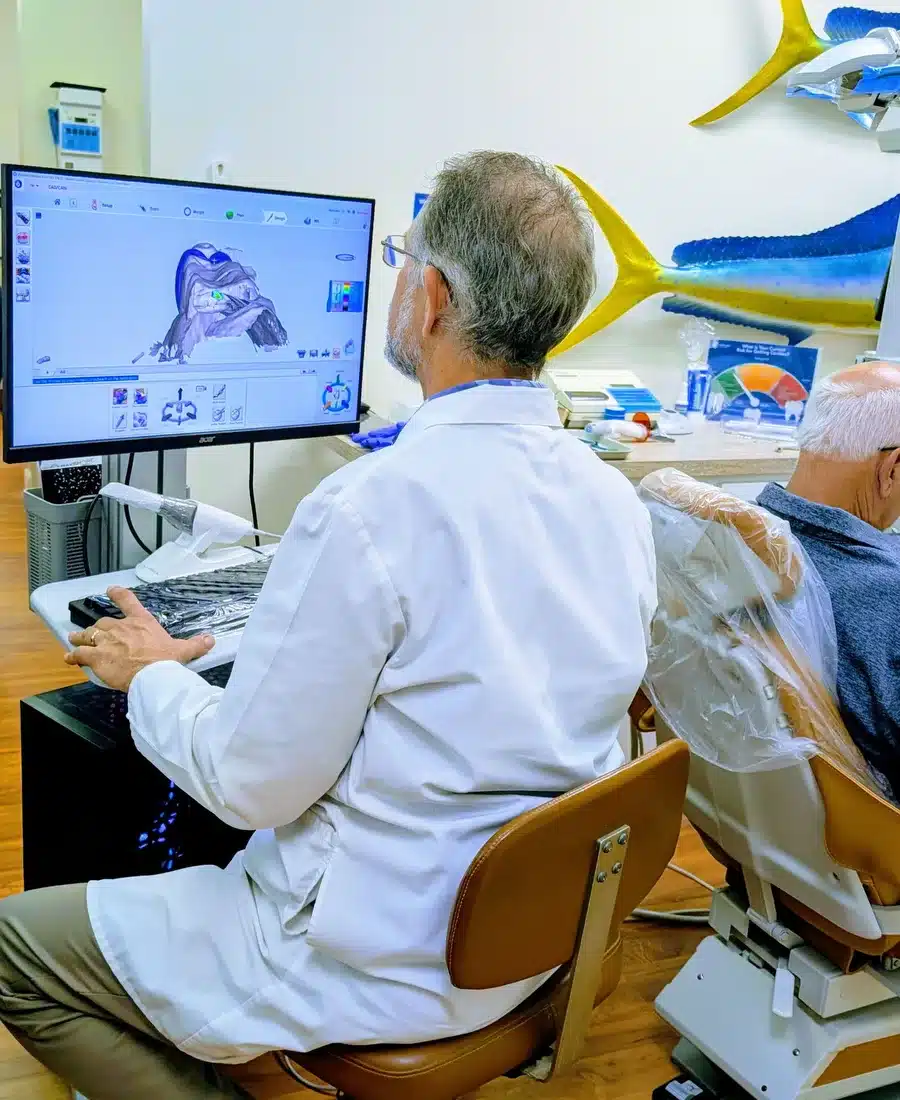
If you want to move forward with confidence, the best next step is a practical exam and treatment conversation. In North Fort Myers that usually means checking the painful tooth, reviewing x-rays if needed, and explaining the options in plain language so the plan makes sense before any work begins.
Call (239) 997-9949 or use our contact page to reach North Pointe Dental Center. Patients usually feel much better once the source of the pain is identified and the next step is clear.
We also take time to explain how resolving the pain fits the bigger picture of your oral health. Bite balance, gum health, neighboring teeth, and daily hygiene habits all affect why pain started and how to prevent it from returning. A treatment choice tends to feel much more straightforward once the cause and the protective value of the fix are explained alongside the immediate relief.
Frequently Asked Questions
How do patients know when to ask for a second opinion?
A second opinion makes sense when treatment options have very different costs, timelines, or long-term maintenance needs and the patient wants more clarity before deciding.
Why do routine exams matter even when nothing hurts?
Many dental problems start quietly. Regular exams and cleanings catch decay, cracked teeth, gum inflammation, and bite issues before they become more complex to treat.
What should patients ask at the consultation?
It helps to ask about durability, daily maintenance, expected recovery, follow-up visits, and which option best protects long-term function instead of only short-term appearance.
Take the Next Step
If you have questions about sudden tooth pain, call (239) 997-9949 or use our contact page to reach North Pointe Dental Center. A direct conversation is usually the fastest way to compare the right options for your goals in North Fort Myers.
