
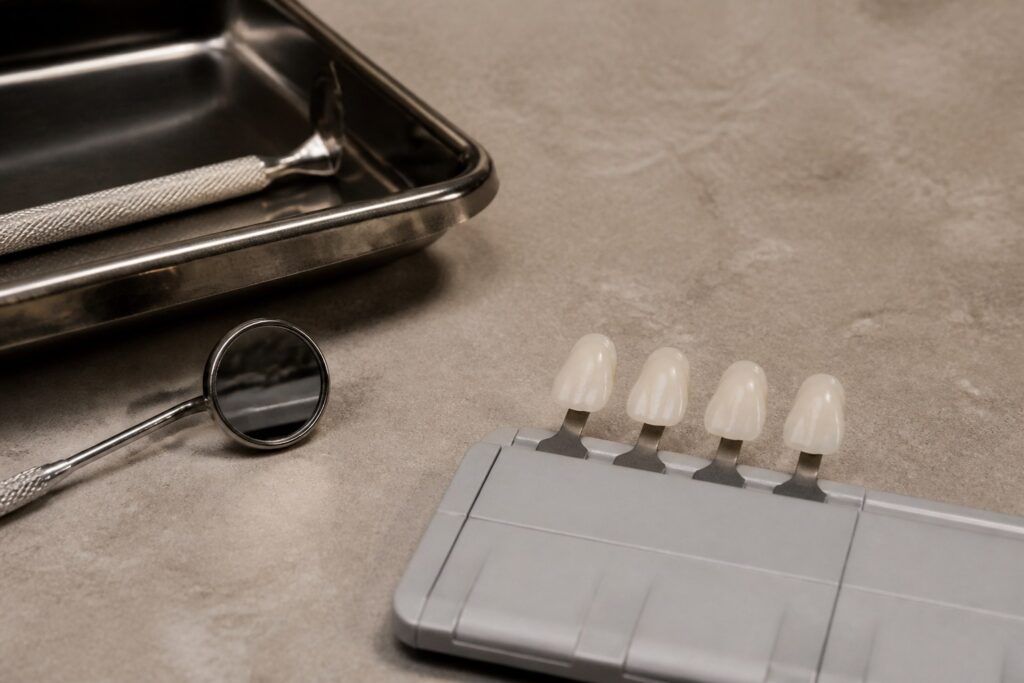
Veneers are thin shells bonded to the front of a tooth to change its shape, color, or alignment, and one of the first questions most patients ask is simple: how long will they actually last? According to the American Dental Association’s MouthHealthy resource, veneers are a durable option, but their lifespan depends heavily on the material used and how they’re cared for afterward. There isn’t one universal number, because a porcelain veneer and a composite resin veneer are built differently and age differently.
Knowing what to expect helps you get more value out of the investment, and it helps you recognize when a veneer needs a professional look rather than waiting until a bigger problem develops.
Average Lifespan by Veneer Material
The material a veneer is made from is the single biggest factor in how long it holds up:
- Porcelain veneers: commonly last 10 to 15 years, and it isn’t unusual for a well-maintained porcelain veneer to reach 20 years. Porcelain resists staining and holds its polish well over time.
- Composite resin veneers: generally last 5 to 7 years. They can be repaired or touched up more easily than porcelain, but the material itself wears and stains faster.
Because of that difference, the material choice is often part of a broader conversation with your dentist about budget, how much change you want in a single visit, and how long you’d like the result to hold before needing attention again.
Porcelain or Composite: How Dentists Help You Decide
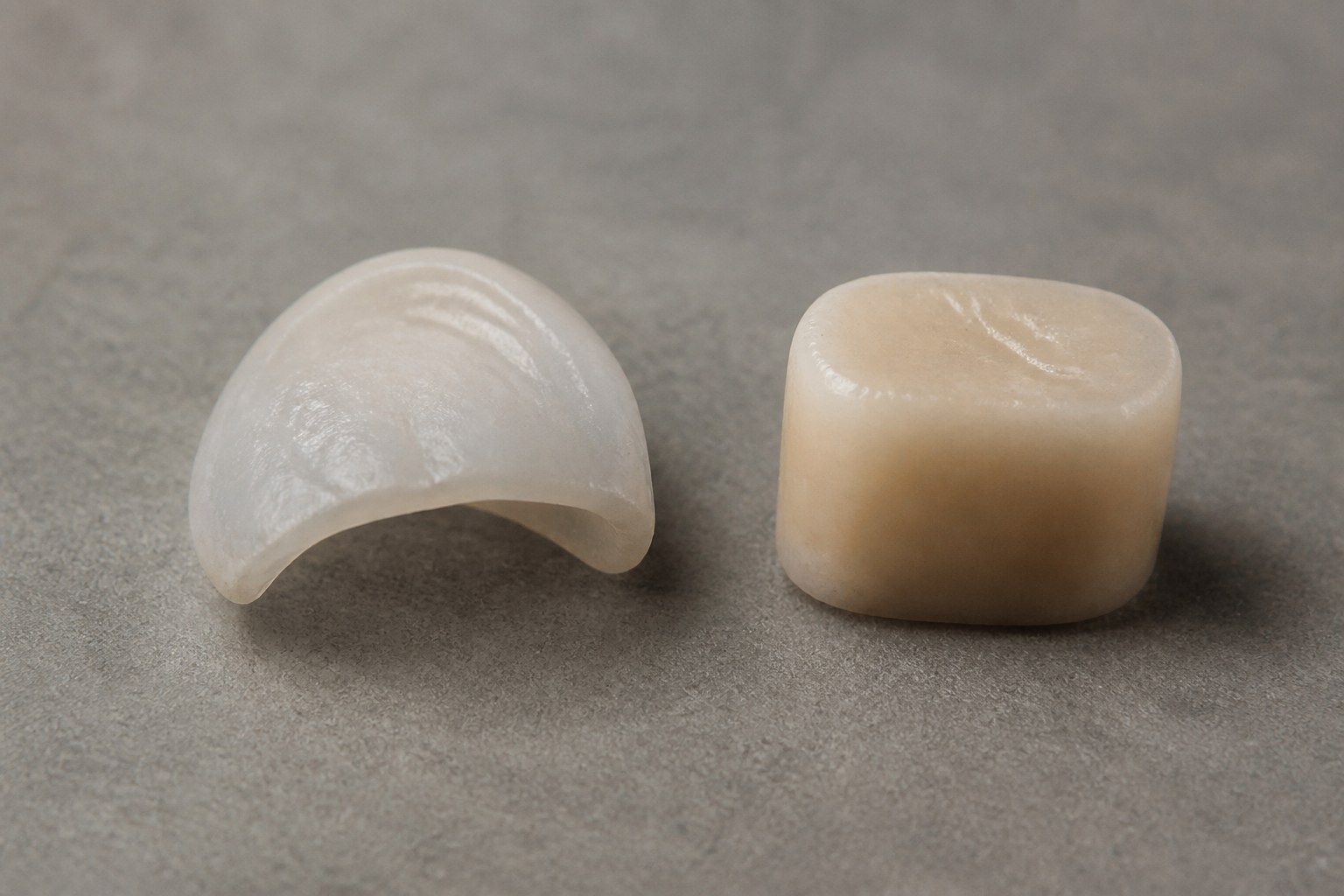
Neither material is automatically the “better” choice — they simply fit different situations. Porcelain veneers are custom-fabricated in a dental lab from an impression of your teeth, which usually means two visits: one to prepare the tooth and take the impression, and a second to bond the finished veneer in place. Because the lab work adds time and cost, porcelain is typically chosen when patients want the longest-lasting, most stain-resistant result for teeth that will stay in the smile line for years.
Composite veneers are sculpted directly onto the tooth by the dentist in a single visit, using a tooth-colored resin that’s shaped and polished on the spot. That makes composite a faster, often more budget-friendly way to address a chip, a gap, or a discolored tooth, with the tradeoff being a shorter lifespan and a surface that’s more prone to staining over time. Many patients ask about both options during a consultation, and the right fit usually comes down to timeline, budget, and how long you want the result to hold before it needs attention.
Are You a Good Candidate for Veneers?
Veneers work best on teeth that are structurally healthy but have a cosmetic issue — staining that doesn’t respond to whitening, a chip, a slightly uneven edge, or a small gap. Because a thin layer of enamel is typically removed to make room for the veneer, your dentist will check that there’s enough healthy enamel to work with before recommending the treatment. Active gum disease, significant untreated tooth decay, or a bite that hasn’t been evaluated for grinding are usually addressed first, since a veneer placed over an unresolved problem won’t hold up as well as one placed on a healthy foundation. A consultation is the best way to find out whether veneers, or another cosmetic option, fits your specific teeth.
What Shortens a Veneer’s Life
A handful of habits and conditions put extra stress on veneers, regardless of material:
- Teeth grinding or clenching (bruxism). The same constant pressure that damages natural teeth can chip or crack a veneer, especially overnight.
- Biting hard objects. Chewing ice, hard candy, or using teeth to open packages can fracture the thin porcelain or resin edge.
- Gum recession or decay at the margin. A veneer covers the front of the tooth, but the edge where it meets the natural tooth and gum line still needs to stay clean and healthy.
- Skipping routine dental visits. Regular checkups catch small chips, shifting margins, or early staining before they become a bigger repair.
Signs a Veneer May Need Attention
Between checkups, it’s worth paying attention to how a veneer looks and feels. Contact your dentist if you notice:
- a visible chip, crack, or rough edge on the veneer;
- a veneer that feels loose or has shifted slightly;
- a gap or dark line forming at the gum line where the veneer meets the natural tooth;
- new sensitivity in the tooth underneath the veneer; or
- noticeable staining around the edges, even if the veneer surface itself still looks bright.
None of these automatically mean the veneer has failed. A minor chip can sometimes be polished or repaired, while a veneer that has come loose or developed a gap at the margin usually needs to be re-bonded or replaced — something that’s easier to manage when it’s caught early.
How to Help Veneers Last as Long as Possible
The daily habits that protect natural teeth also protect veneers, with a few extra details worth keeping in mind:
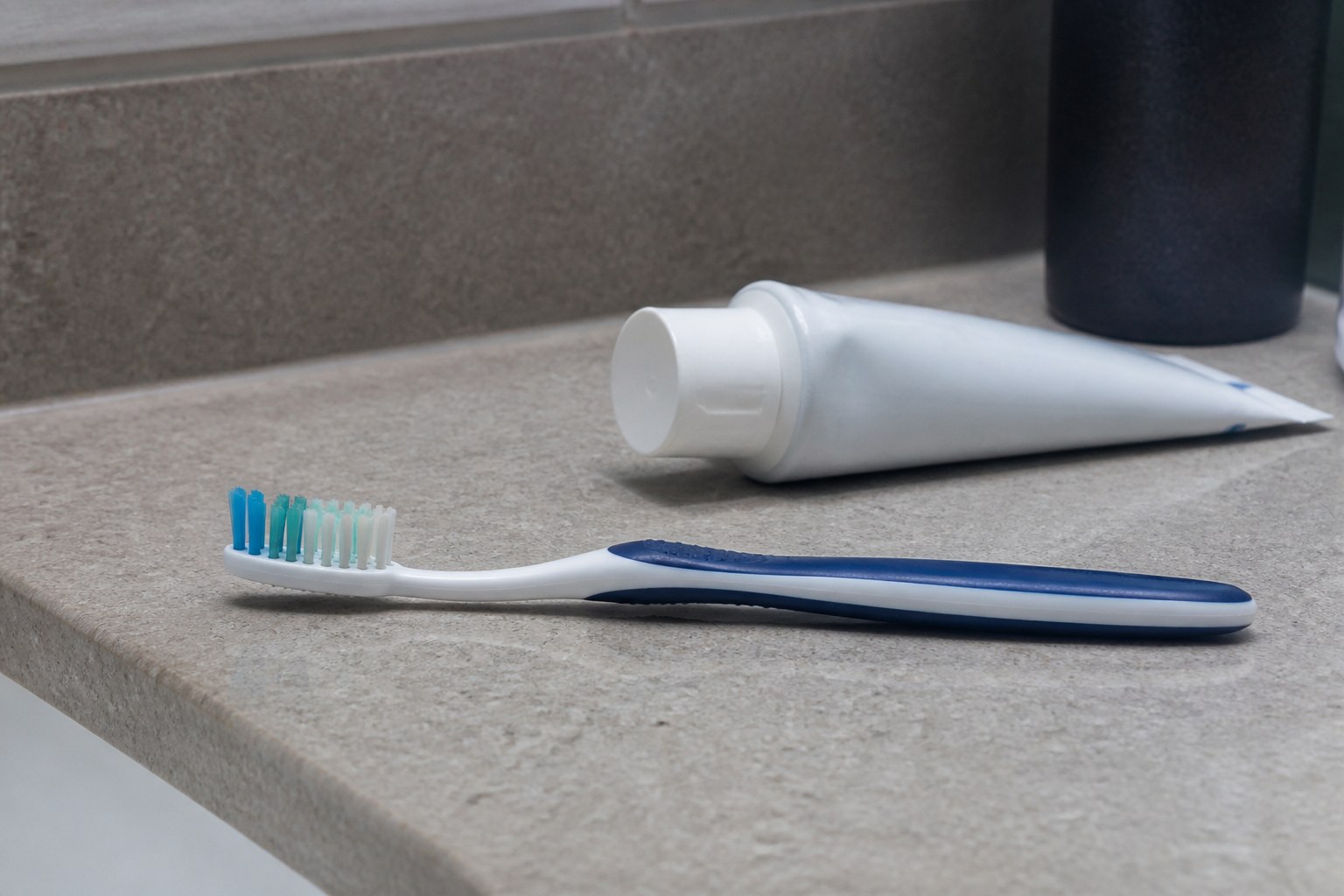
- Brush twice a day with a soft-bristled brush and a non-abrasive toothpaste, since abrasive formulas can dull a veneer’s polish over time.
- Floss daily, paying close attention to where each veneer meets the gum line.
- Ask about a nightguard if you grind your teeth — it’s one of the most effective ways to prevent a chipped or cracked veneer.
- Avoid using your teeth to open packages, crack nuts, or chew on ice, pens, or fingernails.
- Keep up with routine cleanings and checkups so any early wear, staining, or margin changes are caught before they become a bigger repair.
- Rinse with water after coffee, tea, or red wine, since composite veneers in particular can pick up surface staining if pigment is left to sit.
Common Questions About Veneer Lifespan
Do veneers stain like natural teeth? Porcelain resists staining much better than natural enamel or composite resin, but the cement line at the edge of a veneer can still pick up staining over the years, which is one reason routine cleanings matter.
Can a single damaged veneer be replaced on its own? Often, yes. If only one veneer chips or comes loose, a dentist can typically address that individual tooth without redoing the full set, as long as the surrounding veneers are still in good condition.
Does the tooth under a veneer still need normal dental care? Yes. A veneer changes the front surface of the tooth, but the tooth itself, along with the surrounding gum tissue, still needs regular brushing, flossing, and checkups to stay healthy.
Is it normal for veneers to eventually need replacement? Yes, veneers aren’t usually meant to be permanent for life. Even well-cared-for veneers are typically replaced at some point as part of normal long-term maintenance, and a dentist can tell you what to expect based on the material used and how the veneer looks at each visit.
Can whitening treatments brighten veneers the way they brighten natural teeth? No. Porcelain and composite veneers don’t respond to whitening the way natural enamel does, which is why many dentists recommend whitening natural teeth to the desired shade first, before veneers are placed, so the color matches over the long term.
When to Call Your Dentist
If it’s been several years since your veneers were placed, or you’ve noticed any of the warning signs above, it’s worth having them evaluated rather than waiting for a small issue to turn into a bigger repair. North Pointe Dental Center checks the fit, margin, and condition of existing veneers as part of routine visits, and can walk you through repair or replacement options if one needs attention.
Call North Pointe Dental Center at (239) 997-9949 or schedule a visit online to have your veneers checked at your next routine cleaning.