
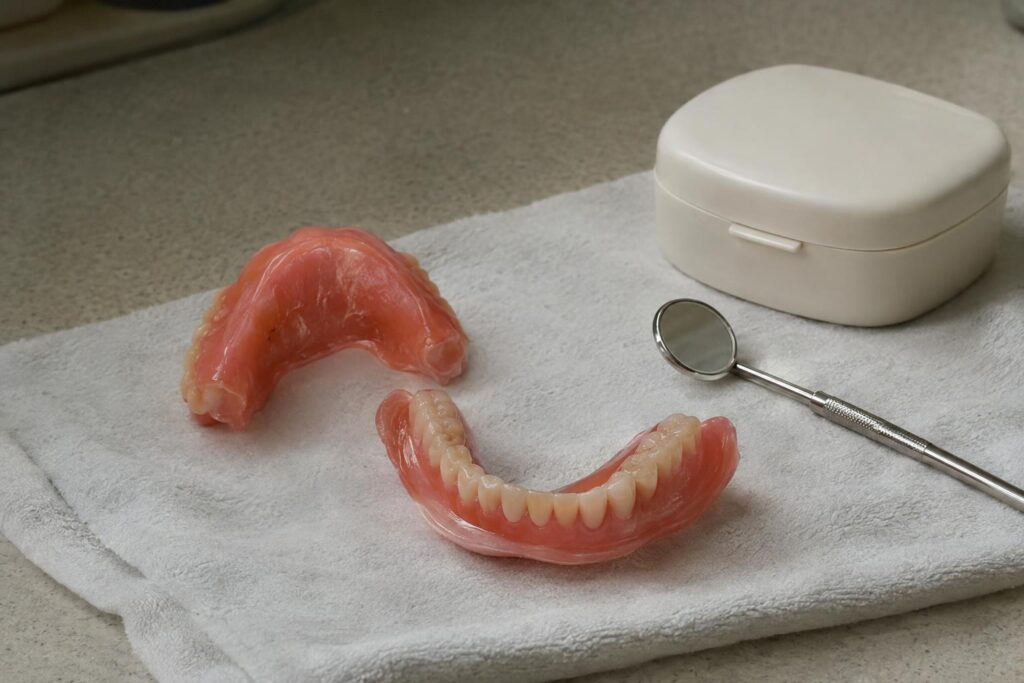
Dentures are a long-term solution for missing teeth, but they are not a lifetime one. Acrylic wears, the jaw changes shape, and the fit that felt perfect on day one gradually loosens. According to the American Dental Association’s MouthHealthy guide to dentures, dentures usually need to be adjusted, relined, or eventually remade as the mouth changes over time. Many denture wearers wonder how long to expect their dentures to last, so this guide from North Pointe Dental Center in North Fort Myers walks through what a typical lifespan looks like and what you can do to get the most from your set.
How Long Do Dentures Typically Last?
Many conventional dentures serve patients for roughly five to ten years before they need a major refit or a complete replacement, and some sets last longer with consistent care and regular dental visits. That range is a general guide, not a promise. A set made with careful attention to the bite and then cleaned and stored properly can outlast one that is worn around the clock, dropped, or left to dry out. Your dentist is the best judge of when your own dentures have reached the end of their useful life, because the answer depends on the denture, the gums beneath it, and how you use it.
Why Dentures Do Not Last Forever
Three things work against a denture over the years:
- Normal wear of the teeth and base. Chewing gradually wears the denture teeth and the acrylic base. Worn teeth chew less efficiently and can change how the bite feels.
- Changes in the gums and jawbone. When natural teeth are gone, the bone that once supported them slowly changes shape. As the ridge shrinks or reshapes, a denture that once fit snugly can start to shift or rub.
- Damage and aging of the material. Small cracks, chips, stains, and surface roughness build up over time and can make a denture harder to keep clean.
Daily Habits That Help Dentures Last Longer
Everyday care has a real effect on how well a denture holds up:
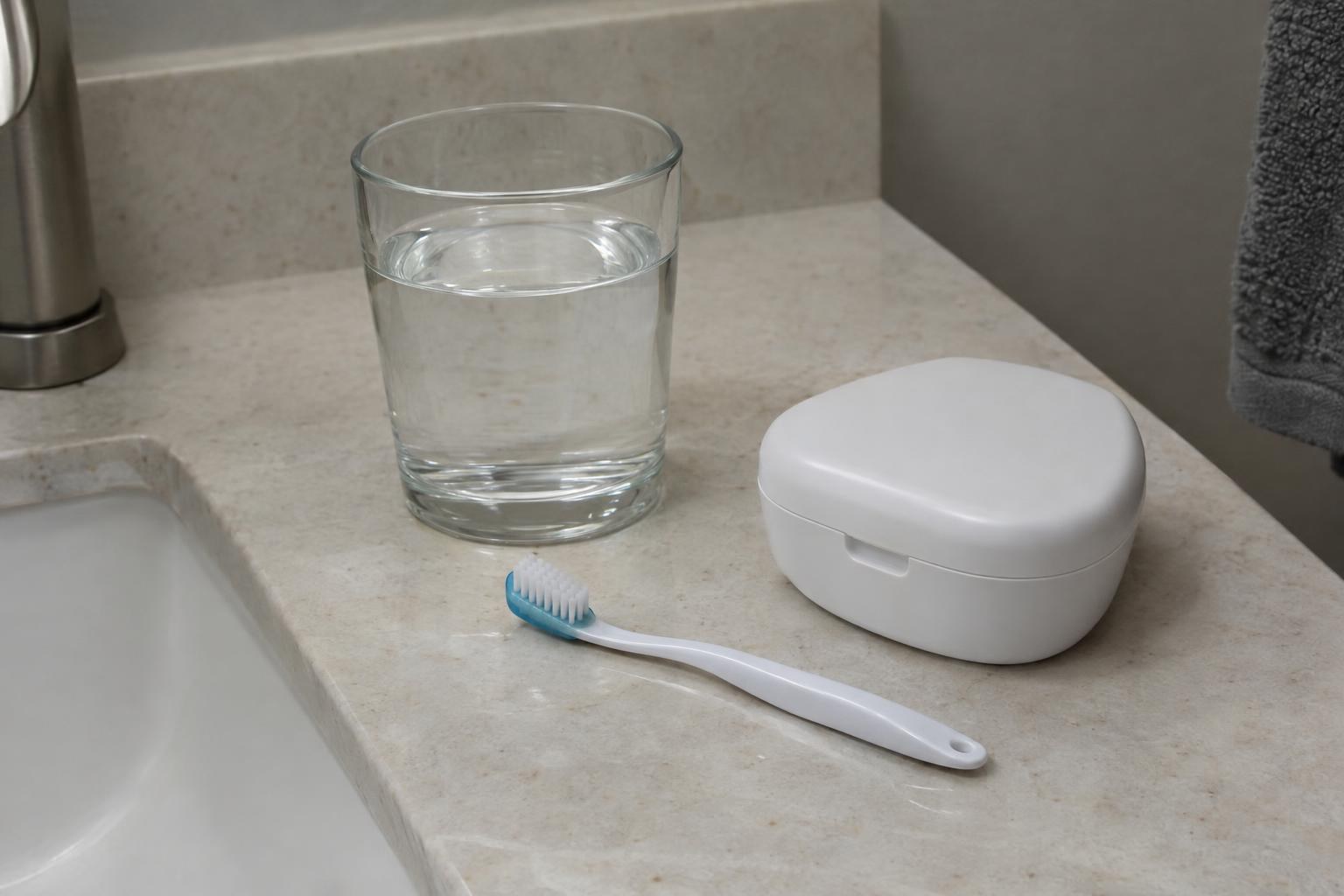
- Remove and rinse your dentures after eating to clear away food particles.
- Brush them gently each day with a soft denture brush and a cleaner made for dentures, since regular abrasive toothpaste can scratch acrylic.
- Handle them over a folded towel or a sink filled with water so a slip does not crack them.
- Keep them moist in water or a denture-soaking solution when they are out, because letting them dry out can warp the material.
- Clean your gums, tongue, and any remaining natural teeth every day, even if you wear a full set.
- Ask your dentist whether you should take your dentures out overnight, since the right answer depends on your mouth.
Signs It May Be Time to Have Your Dentures Checked
You do not have to wait for a break to have your dentures looked at. Call your dentist if you notice:
- dentures that slip, click, or move when you talk or eat;
- sore spots, irritation, or red areas on your gums;
- a need to use more adhesive than you used to;
- cracks, chips, or worn-down teeth on the denture;
- difficulty chewing foods that used to be easy; or
- changes in how your face or lips look when the dentures are in.
Loose or poorly fitting dentures can irritate the tissues beneath them, so it helps to have the problem looked at promptly rather than relying on more and more adhesive.
Relines, Rebases, and Replacement
Not every fit problem means you need a brand-new set. A reline adds new material to the inside surface so the denture follows the current shape of your gums. A rebase replaces the pink acrylic base while keeping the existing teeth when they are still in good shape. When the teeth are heavily worn, the base is cracked, or the shape of the jaw has changed a lot, a new denture is usually the better option. Your dentist can explain which of these makes sense after examining the denture and the tissues under it.
Why Regular Dental Visits Still Matter With Dentures
Wearing full dentures does not mean you no longer need checkups. During an exam, your dentist looks at the soft tissues of your mouth, checks the fit and bite of the denture, and can spot irritation or other changes early. Partial denture wearers also need routine care for the natural teeth that hold the clasps, since those teeth carry extra load. Visiting on a regular schedule gives small fit problems a chance to be corrected before they become uncomfortable.
Do Implant-Supported Dentures Last Longer?
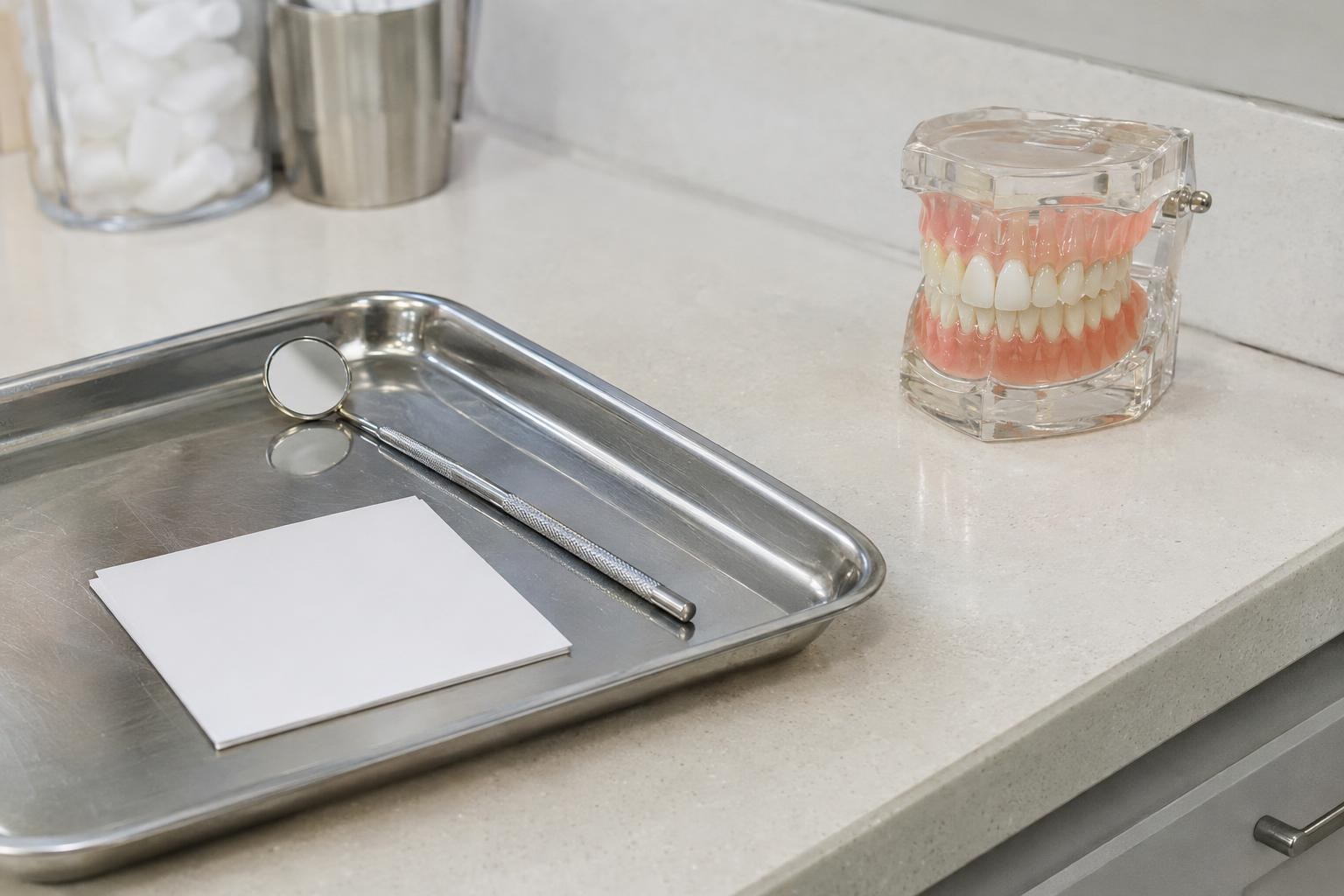
Implant-supported dentures attach to dental implants rather than resting only on the gums, which can help them stay steadier while you chew. Whether that translates into a longer lifespan depends on the health of the implants, the gums, and the bone around them, and on how well the whole system is cleaned and checked, so it is not a guarantee. They still need daily cleaning and regular checkups, and the denture portion can still wear over time. If you are curious whether this option could suit you, see our page on implant-supported dentures or read how to care for implant-supported dentures.
Full Dentures and Partial Dentures: Is the Lifespan Different?
Full dentures replace an entire arch of teeth and rest on the gums, while partial dentures fill in gaps and usually attach to remaining natural teeth with small clasps. The lifespan of each depends on similar things: the materials, the fit, and daily care. A partial adds one more consideration, because the natural teeth that hold the clasps need to stay healthy. If one of those teeth is lost or changes, the partial may need to be adjusted or remade. Whichever type you wear, the same habits apply: clean it daily, store it properly, and let your dentist check the fit at regular visits.
What Happens at a Denture Evaluation
When you bring your dentures in because they feel loose, worn, or uncomfortable, the dentist begins by listening to what you have noticed. Then the dentist examines the denture itself for cracks, wear, and staining, and examines your gums and the roof of your mouth for sore spots or irritation. The fit and bite are checked while the denture is in place. From there, the dentist can recommend a simple adjustment, a reline, a repair, or a new denture, and explain the reasoning so you can decide what makes sense for you.
Common Questions About Denture Lifespan
How often should dentures be replaced? There is no single schedule. Your dentist decides based on wear, fit, comfort, and the health of your gums, and may recommend a reline or repair before a full replacement.
Can I repair a cracked denture at home? It is best not to. Over-the-counter glue can leave residue and may make a proper repair harder. Bring the pieces to your dentist.
Why do my dentures feel looser than they used to? The gums and bone under a denture change gradually, which is a common reason a once-snug fit loosens. A reline or adjustment may help.
Do I still need to see a dentist if I have no natural teeth? Yes. Your dentist checks the fit of the denture and the health of your gums and the rest of your mouth.
Talk With North Pointe Dental Center About Your Dentures
If your dentures feel loose, look worn, or you are not sure how long they have left, North Pointe Dental Center can take a look and talk through your options. Learn more about our denture services in North Fort Myers, browse all of our dental services, or request an appointment. You can also call us at (239) 997-9949.