
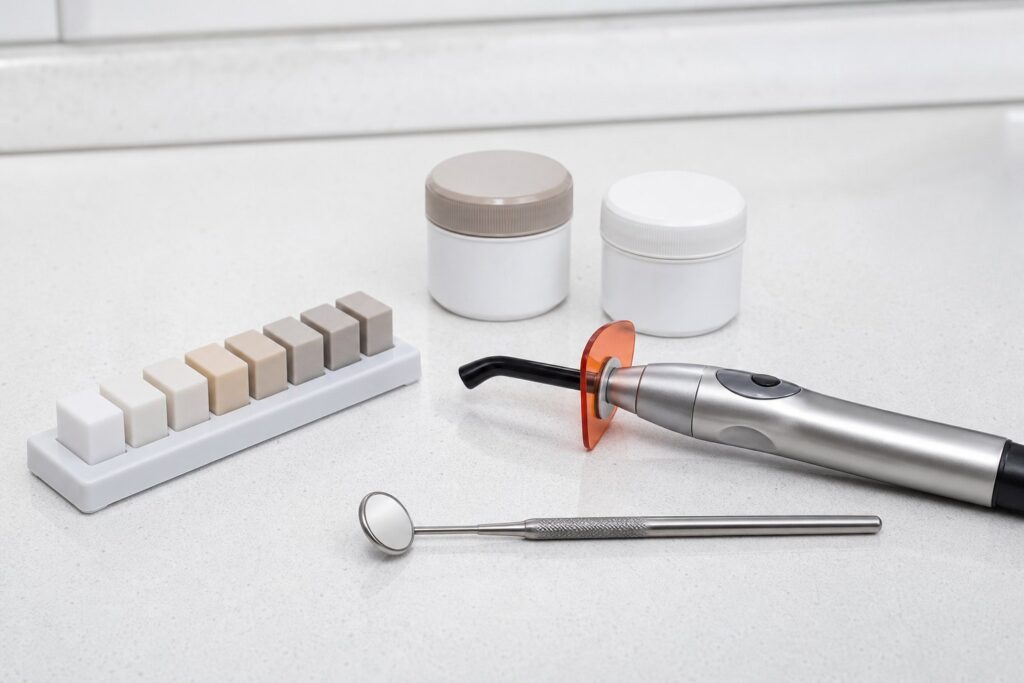
A dental filling repairs a tooth after decay has been removed, but the filling itself is not permanent — it is a durable repair with a limited lifespan that depends heavily on the material used and how the tooth is treated afterward. According to the National Institute of Dental and Craniofacial Research, most fillings eventually need to be replaced, and knowing roughly when to expect that helps you plan ahead instead of being caught off guard by a crack or new sensitivity years down the road. Patients at North Pointe Dental Center in North Fort Myers often ask about this at routine cleanings, especially if it has been a while since a filling was placed.
How Many Years Can a Filling Last?
Depending on the type, some fillings can last 10 to 20 years, according to Cleveland Clinic’s overview of dental fillings. That range is a general guide, not a replacement schedule or a prediction for your tooth. Size, location, bite forces and new decay can shorten a filling’s life.
Material alone does not settle the question. The American Dental Association’s review of restorative materials describes studies in which composite fillings performed well after 10 years. Your dentist can assess the condition of your own filling rather than replace it just because it reaches a certain age.
The filling material is one of several factors that can affect how it wears over time:
- Composite (tooth-colored) fillings: blend with the natural tooth and can serve well for years, but wear depends on the filling size, bite forces, location, and care.
- Amalgam (silver) fillings: have a long history of use, especially in back teeth, and may remain serviceable for many years when the tooth and filling margins stay sound.
- Ceramic and gold restorations: may be considered in selected situations. Their longevity still depends on the design of the restoration, the condition of the remaining tooth, and the patient’s bite and habits.
There is no universal replacement date for any material. A dentist bases replacement on the condition of the individual filling and tooth, including wear, cracks, gaps, symptoms, bite forces, and signs of decay.
What Shortens a Filling’s Lifespan
Several habits and conditions put extra stress on a filling or on the tooth structure around it:
- Teeth grinding or clenching. Repeated pressure from grinding or clenching can contribute to wear or cracking in a filling or the surrounding tooth.
- Chewing ice, hard candy, or using teeth to open things. A sudden hard bite can chip or fracture a filling that would otherwise have lasted years longer.
- New decay at the edge of the filling. A filling repairs the area where decay was removed, but the seam where it meets the natural tooth can still develop a new cavity if plaque builds up there.
- Large fillings that replace a lot of the tooth’s original structure. The more of the natural tooth a filling has to replace, the more stress it typically carries and the sooner it may need attention.
- A bite that was not fully adjusted after placement. A filling that sits slightly high takes on more force every time you bite down, which can wear it down faster than expected.
Signs a Filling May Need Attention
Between checkups, it is worth paying attention to how a filled tooth feels. Contact your dentist if you notice:
- a rough edge, visible chip, or a piece that feels like it is missing;
- new or returning sensitivity to hot, cold, or sweet foods in that tooth;
- a dark line or discoloration forming at the edge of the filling;
- food consistently getting stuck in the same spot; or
- pain when biting down on that specific tooth.
None of these automatically mean the filling has failed completely. Sometimes a small repair or a professional polish solves the problem. Other times, the filling needs to be replaced — but that is far easier to manage when it is caught early, before decay spreads underneath it.
How to Help a Filling Last Longer
The same habits that protect your natural teeth also protect a filling, with a couple of extra details worth keeping in mind:
- Brush twice a day and floss daily, paying attention to where the filling meets the natural tooth.
- If you grind or clench your teeth, ask whether a nightguard or another treatment is appropriate for your particular bite.
- Avoid chewing ice, hard candy, or using your teeth to open packages.
- Keep up with routine cleanings and checkups so a dentist can catch early wear or new decay around a filling before it becomes a bigger repair.
Why Location in the Mouth Matters
A filling on a molar absorbs far more chewing force every day than a filling on a front tooth. That is part of why a dentist might recommend a more durable material for a large back-tooth filling, while a tooth-colored composite is often the better fit for a small filling on a front tooth where appearance matters more. A tooth that has had multiple fillings over the years, or one with a very large filling, may also need closer monitoring, since less of the original healthy tooth structure remains to support it.
How a Dentist Checks Filling Condition at a Checkup
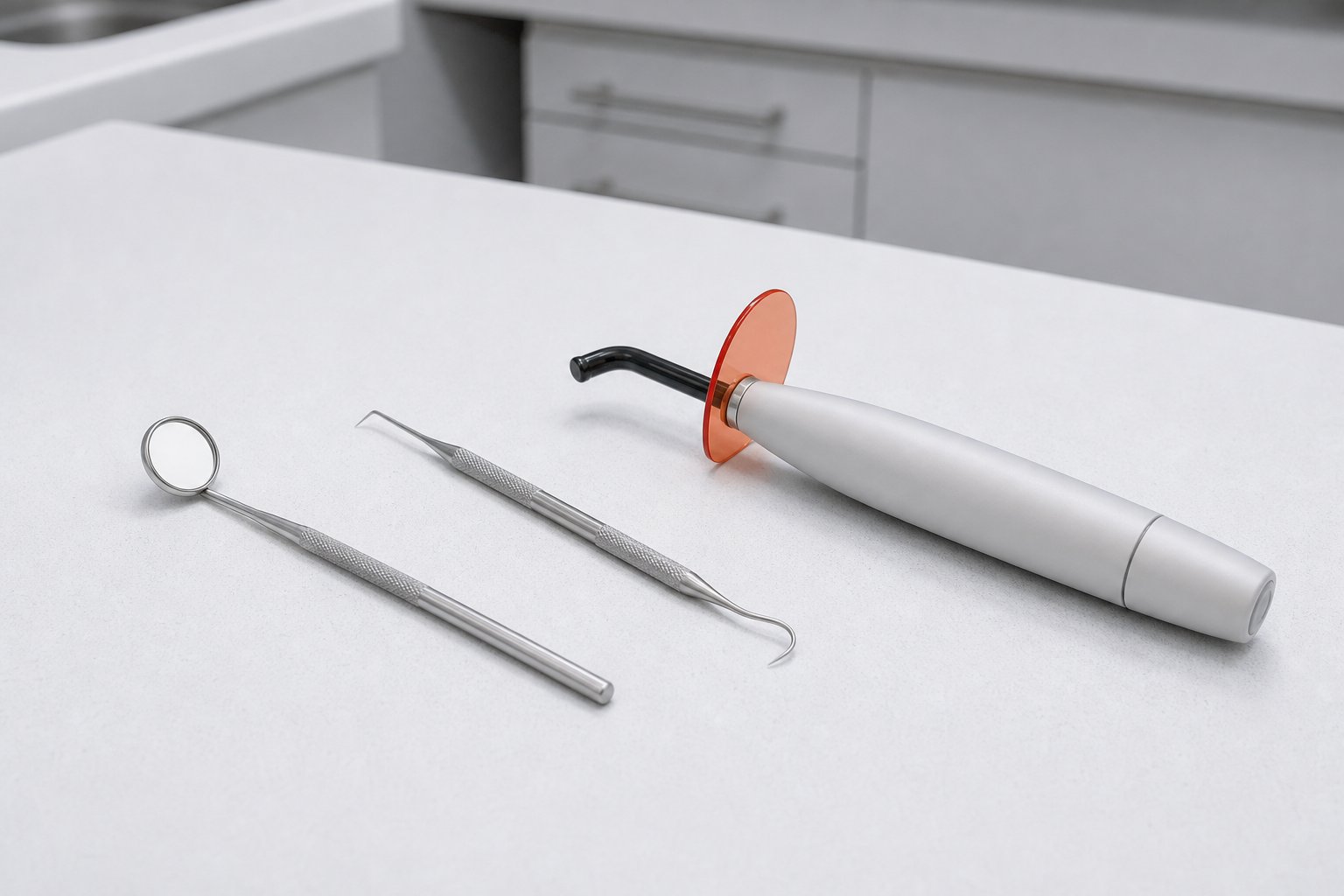
Some filling problems cause few or no early symptoms, which is one reason routine checkups matter even when a filled tooth feels normal. At a typical exam, a dentist or hygienist checks each filling visually and with a dental explorer for cracks, gaps, or rough edges, and reviews recent X-rays for shadows or dark spots that can indicate new decay forming underneath or around the edge of an old filling. Finding a change before it causes pain may allow the dentist to discuss a wider range of repair options, depending on its extent.
Old Metal Fillings and When Replacement Makes Sense
Some patients still have amalgam fillings placed decades ago that are holding up perfectly well and do not need to be touched. An old filling in good condition, with no cracks, no new decay at the margin, and no bite problems, is usually best left alone rather than replaced just because of its age. Replacement becomes worth discussing when an X-ray shows new decay underneath, the metal has visibly worn thin, or a patient specifically wants a tooth-colored option for a more natural-looking smile.
Common Questions About Filling Lifespan
Is a filling a permanent fix? No. A filling is a durable, long-lasting repair, but it is not designed to last forever. Most fillings eventually wear down, chip, or develop new decay at the edge and need to be replaced or repaired.
How often do fillings need to be replaced? There is no fixed schedule. A filling that remains sealed, comfortable, and free of cracks or decay may stay in place, while another may need attention sooner. Your dentist checks its current condition at routine exams and recommends repair or replacement only when there is a clinical reason.
Is it painful to have a filling replaced? Replacing a filling is done with local anesthesia, similar to placing the original filling, so most patients do not find the procedure itself painful. Some mild sensitivity for a day or two afterward is normal.
Do cavities ever fully go away on their own? No. Once a cavity has formed, the affected tooth structure does not repair itself and needs to be treated, typically with a filling, to stop the decay from spreading deeper into the tooth.
When to Call Your Dentist
If your filling is approaching the higher end of its expected lifespan, or you have noticed any of the warning signs above, it is worth having it evaluated rather than waiting for a problem to force the issue. North Pointe Dental Center checks the condition of existing fillings as part of routine visits and can walk you through repair or replacement options if one has reached the end of its useful life.
Call North Pointe Dental Center at (239) 997-9949 or schedule a visit online to have your fillings checked at your next cleaning.